
Mulch in Marlborough, MA: When to Spread It and Which Type to Use
· By Vantuir F. Procopio
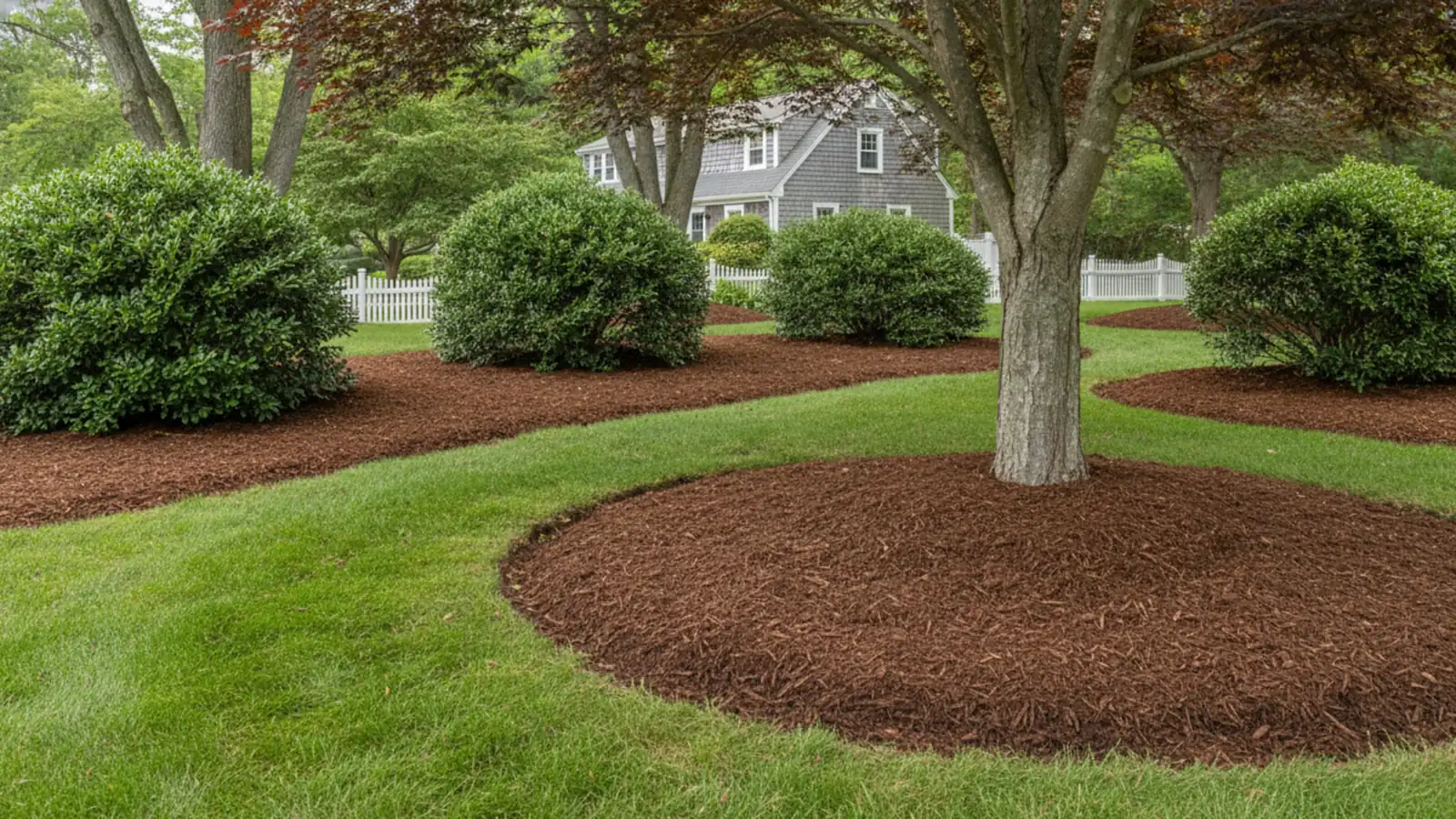
Mulch in Marlborough, MA does a lot more than make beds look finished. A good layer holds moisture through dry summer stretches, keeps soil temperatures steadier through New England freeze and thaw, and slows down weeds. Done wrong, though, it can suffocate roots and rot the bark of trees and shrubs.
Marlborough homes cover a lot of ground, from older neighborhoods near downtown and Main Street to newer developments near Route 20 and I-495 and the quieter streets around Lake Williams and Fort Meadow Reservoir. Whatever your yard looks like, the same basics apply. This guide covers timing, mulch types, depth and how to fit mulching around the city's yard waste schedule.
The best time to mulch in Marlborough
For most Marlborough yards, the best time to mulch is mid to late spring, after the spring cleanup and after the soil has warmed up a bit. In a typical year that means late April through May. Mulching too early, while the ground is still cold and wet, can hold the cold in and slow down plants waking up.
The order matters: clean out the beds first. Rake out leaves and winter debris, cut back last year's perennials, pull early weeds and edge the beds. Then spread the mulch. Putting fresh mulch on top of matted leaves and weeds just buries the problem.
A light fall top-up is also useful, especially around new plantings and perennials. A layer added after the ground cools but before it freezes helps protect roots from the freeze and thaw cycles that can heave young plants out of the soil in a Massachusetts winter.
Types of mulch that work in New England beds
Natural bark mulch, often sold as hemlock or a blend of hardwood barks, is the classic choice in MetroWest. It breaks down slowly, adds organic matter to the soil and has a natural dark brown color that fits most homes.
Dyed mulch (black, brown or red) keeps a strong color longer and gives beds a crisp look. It is usually made from shredded wood, so it breaks down differently than bark. Choose a product from a reputable supplier, and pick a color that suits the house rather than one that competes with it.
Pine bark mulch and pine needles are lighter and work well around acid-loving plants like rhododendrons and azaleas, which are common in Marlborough foundation plantings. Pine needles also stay in place well on slopes.
Stone is sometimes used near foundations, but it does not feed the soil, it holds heat in summer and it is hard to keep clean of leaves. For most planting beds, an organic mulch is the better long-term choice.
How deep to spread mulch, and the volcano mistake
Two to three inches is the right depth for most beds. Less than that does not hold moisture or block weeds well. More than that can keep the soil too wet and starve roots of air.
If you mulch every year, you probably do not need a full new layer each time. Rake the old mulch to loosen it, check the depth and add only what you need to get back to two or three inches. Year after year of full layers builds up a thick mat that sheds water instead of letting it in.
Keep mulch pulled back a few inches from tree trunks and shrub stems. The tall cone of mulch piled against a trunk, often called a mulch volcano, traps moisture against the bark, invites rot and insects and can lead to girdling roots. Around trees, spread mulch wide and flat, like a donut, not like a cone.
Edging and prep that make mulch last
A clean edge is what makes a mulched bed look professional, and it does real work too. A cut edge between lawn and bed keeps grass from creeping in and keeps mulch from washing onto the lawn in heavy rain.
Before mulching, pull weeds by the root, especially perennial weeds that will push right up through a fresh layer. Landscape fabric under organic mulch is usually not needed in home beds, and over time soil and mulch build up on top of it anyway. A proper depth of mulch plus regular weeding usually works better.
If your beds have thin, compacted or clay-heavy soil, which is common in parts of MetroWest, consider working some loam or compost into them before mulching, especially when adding new shrubs or perennials.
Working around Marlborough's yard waste collection
Spring cleanup before mulching creates a lot of debris. The Marlborough DPW runs curbside yard waste collection on scheduled dates for homes in the city's trash collection program (one to three family homes and condominiums). Accepted yard waste includes leaves, small brush up to one inch in diameter and shrub clippings. Grass clippings are not accepted.
Yard waste needs to go in biodegradable paper bags or old trash barrels, each no heavier than 50 pounds, and set at the curb by 7 a.m. on your collection day. Collection dates change every year, so check the DPW page for the current schedule before you plan a big bed cleanup.
It is worth timing your spring cleanup and mulching so the debris is ready for a scheduled pickup instead of sitting in bags for weeks.
Mulch and summer watering
One of the best reasons to mulch in Marlborough is summer water. In dry years the city has put mandatory restrictions on nonessential outdoor water use, which can include watering lawns with sprinklers or automatic irrigation. Beds with a proper mulch layer lose much less water to evaporation, so plants get through dry spells with less help.
Rules change with conditions each summer, so check the city's DPW page for the current water use rules. When you can water, water beds deeply and early in the day, and let the mulch do the job of holding that moisture in.
Hiring help for mulch installation
Spreading mulch is simple to understand and hard on the back, especially when a yard needs several yards of material moved by wheelbarrow. If you would rather hand it off, Procopio Landscaping & Design is based nearby in Framingham and handles spring cleanups, bed edging and mulch installation in Marlborough. Estimates are free with no visit fee, and the team speaks English, Portuguese and Spanish.
Frequently asked questions
- When should I mulch in Marlborough, MA?
- Mid to late spring, usually late April through May, after the spring cleanup and once the soil has started to warm. A light top-up in late fall can help protect roots of new plantings over winter.
- How deep should mulch be?
- About two to three inches in most planting beds. If you mulch every year, loosen the old layer and add only enough to get back to that depth, and keep mulch a few inches away from trunks and stems.
- Is dyed mulch bad for plants?
- Dyed mulch from a reputable supplier is widely used in home beds. It is usually made from shredded wood rather than bark, so it breaks down differently. Natural bark mulch adds more organic matter to the soil over time.
- Does Marlborough pick up yard waste?
- Yes, on scheduled dates for homes in the city trash program. Leaves, shrub clippings and brush up to one inch thick go in paper bags or old barrels, 50 pounds max each, at the curb by 7 a.m. Grass clippings are not accepted. Check the DPW page for dates.
- How much does mulch installation cost?
- It depends on how many cubic yards your beds need, the type of mulch, and whether edging and weeding are included. Most homeowners get a free estimate for their specific beds before deciding.
Found this helpful? Make us a preferred source on Google.
Ready for an exact price?
Get a free, no-pressure in-home estimate. Real numbers for your home, not a phone guess.